A 2024 Toyota Tundra is ideal for roads near Westcliffe CO
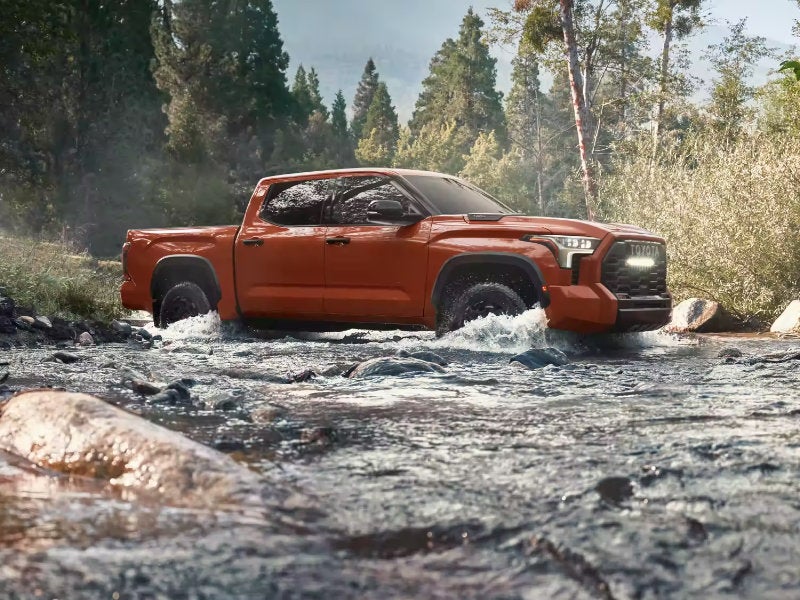



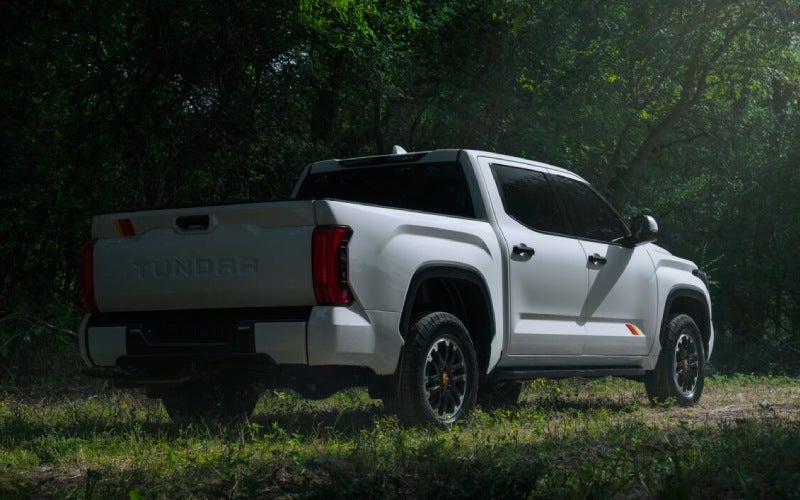
Pueblo Toyota - Why the 2026 Toyota Tundra Limited i-FORCE MAX Makes Sense for Canon City, CO Drivers The 2026 Toyota Tundra Limited i-FORCE MAX is a smart choice for Canon City, CO drivers because it lands in the part of the lineup where strength, comfort, technology, and everyday usability come together naturally. It is not the most basic Tundra, and it is not trying to be the most premium expression of the truck. Instead, it gives owners the available i-FORCE MAX twin-turbo V6 hybrid powertrain with 437 horsepower and 583 lb.-ft. of torque, along with a comfortable Limited cabin, a 14-in. Toyota Audio Multimedia touchscreen, leather-trimmed 8-way power-adjustable front seats, and the practical toughness Tundra is known for. That balance matters in Fremont County, where a truck may be asked to handle Highway 50 commuting, errands around Canon City, towing toward Lake Pueblo, work around rural properties, or a weekend drive into higher terrain. What makes the Limited i-FORCE MAX especially appealing is that its advantages show up in real ownership, not just on a spec sheet. The hybrid system adds strong low-end response, which can make a truck feel more relaxed when pulling away with a load, climbing grades, or merging with traffic. The cabin is comfortable enough for long stretches behind the wheel, yet the truck still has an aluminum-reinforced composite bed built to resist dents, dings, impacts, and rust. For shoppers who want one pickup that can be useful during the week and enjoyable on the weekend, this trim feels like the right kind of practical upgrade. A Powertrain Built for Real Truck Demands The i-FORCE MAX system is one of the biggest reasons to consider this trim. Toyota pairs a twin-turbo V6 engine with hybrid assistance to create a powertrain that delivers 437 horsepower and 583 lb.-ft. of torque. For a full-size truck, torque is often what owners feel most during everyday driving. It helps when pulling a trailer from a stop, passing on two-lane roads, or climbing toward higher-elevation destinations with passengers and gear on board. Canon City-area drivers know that roads can change quickly from town traffic to open highway to winding canyon routes. A truck that feels strong without needing constant effort can make those transitions easier. The Limited i-FORCE MAX is well suited for that rhythm because it provides confident acceleration while still maintaining the refined character expected from a modern Toyota truck. It is powerful, but it does not feel rough or overly specialized. That is important for owners who will use a Tundra as a daily driver instead of keeping it reserved only for towing days. Why the Limited Trim Level Hits the Sweet Spot The Limited trim gives the Tundra a more upscale cabin without moving so far into luxury territory that the truck loses its practical focus. The 14-in. Toyota Audio Multimedia touchscreen is one of the standout upgrades because it gives the dashboard a clean, modern interface for navigation, audio, settings, and connected features. The larger screen is especially helpful in a full-size truck because information is easier to see at a glance, and the controls feel natural from the driver’s seat. Leather-trimmed 8-way power-adjustable front seats also make a meaningful difference for drivers who spend a lot of time on the road. Whether the day includes commuting, checking job locations, picking up supplies, or heading out with family, seat comfort matters. The Limited i-FORCE MAX gives you the kind of cabin that can support a long day without feeling overly delicate. It is comfortable, but it remains truck-appropriate. Power: i-FORCE MAX delivers 437 horsepower and 583 lb.-ft. of torque. Technology: The 14-in. Toyota Audio Multimedia touchscreen keeps key controls clear. Comfort: Leather-trimmed 8-way power-adjustable front seats support longer drives. Utility: The aluminum-reinforced composite bed resists common truck-bed wear. Towing Confidence Without Overcomplication Tundra is designed to tow with confidence, and properly equipped models can tow up to 12,000 lbs. The Limited i-FORCE MAX is a strong candidate for shoppers who want to tow a camper, utility trailer, side-by-side trailer, boat, or work equipment while still enjoying a comfortable daily cabin. Available Trailer Backup Guide With Straight Path Assist is especially useful because it helps keep a trailer moving in a straight line while backing up. That kind of support can reduce stress when maneuvering at a campsite, storage area, driveway, or loading zone. Another advantage is the multi-link rear suspension. Traditional truck toughness is important, but ride control matters too. Tundra’s coil-spring rear suspension helps improve comfort, towing stability, and handling dynamics. For Canon City drivers who may tow one day and commute the next, that balance is valuable. The truck does not feel like a single-purpose machine. It is strong enough for hard work and composed enough for everyday roads. Built for Gear, Projects, and Weekend Plans The composite bed is one of the most practical features on every 2026 Tundra, and it fits the Limited i-FORCE MAX perfectly. Because it is designed to resist rust, dents, impacts, and dings, owners can use the bed with confidence. Tools, coolers, camping equipment, home improvement materials, and recreational gear are all part of normal truck life around Canon City, and the Tundra bed is ready for that kind of use. Available bed lengths also help shoppers think through how the truck will function day to day. A shorter bed can be easier to manage in town, while a longer bed may be better for work materials or bulkier gear. The best choice depends on how you park, what you carry, and whether towing or cargo hauling is the bigger priority. The important point is that the Limited i-FORCE MAX gives buyers useful flexibility without sacrificing the powertrain and cabin features that make the trim so appealing. Technology That Supports the Driver The Limited i-FORCE MAX offers the kind of technology that helps a full-size truck feel more manageable. The available Panoramic View Monitor uses cameras on the front, sides, and rear of the truck to provide a 360-degree view of what is around the vehicle. For a full-size pickup, that can be a major benefit when parking downtown, positioning near a trailer, navigating a crowded trailhead, or pulling into a tight garage area. Toyota Safety Sense™ 2.5 is also part of the Tundra story, giving drivers modern safety and driver-assistance support. Shoppers often focus on horsepower and towing first, but confidence behind the wheel comes from the whole package. Visibility tools, driver-assistance features, a clear multimedia interface, and helpful towing technology all contribute to a truck that feels easier to use. That ease of use is one reason the Limited i-FORCE MAX stands out as a smart daily ownership choice. Who Should Choose the Limited i-FORCE MAX? This trim is best for drivers who want more power than the gas-only Limited, but who do not need the higher-end styling and luxury details of Platinum, 1794 Edition, or Capstone. It also makes sense for shoppers who like the capability of TRD Pro but spend more time towing, commuting, and carrying passengers than tackling difficult off-road routes. The Limited i-FORCE MAX is confident, comfortable, and versatile, which is why it works so well for Canon City, CO lifestyles. Daily drivers: Choose it for comfort, technology, and strong acceleration. Towing shoppers: Choose it for hybrid torque and available trailer-assist technology. Property owners: Choose it for bed durability and full-size truck utility. Weekend travelers: Choose it for cabin comfort and confident highway performance. Frequently Asked Questions: Is the 2026 Toyota Tundra Limited i-FORCE MAX good for towing? Yes. The i-FORCE MAX powertrain delivers strong horsepower and torque, and properly equipped Tundra models can tow up to 12,000 lbs. Available Trailer Backup Guide With Straight Path Assist also helps when maneuvering a trailer. What makes the Limited i-FORCE MAX different from the gas Limited? The key difference is the i-FORCE MAX twin-turbo V6 hybrid powertrain. It increases output to 437 horsepower and 583 lb.-ft. of torque while keeping the Limited trim’s comfort and technology features. Is this trim comfortable enough for everyday driving? Yes. The Limited i-FORCE MAX includes leather-trimmed 8-way power-adjustable front seats and a 14-in. Toyota Audio Multimedia touchscreen, making it a strong fit for commuting, errands, family use, and longer trips. Why buy the Limited i-FORCE MAX instead of moving up to Platinum? Choose the Limited i-FORCE MAX if your priority is hybrid power, useful technology, and comfort without adding every premium feature. Platinum is excellent for shoppers who want a more luxury-focused cabin, but Limited i-FORCE MAX is the balanced choice. The Smart Middle of the Tundra Lineup The 2026 Toyota Tundra Limited i-FORCE MAX makes sense because it gives Canon City drivers the features that matter most in real life. It has the power to tow and climb with confidence, the comfort to serve as a daily vehicle, the technology to make driving easier, and the bed durability to handle work and recreation. For shoppers who want a truck that does not feel under-equipped or excessive, this trim is easy to recommend. It is the kind of pickup that earns its place in the driveway because it can do so many jobs well. *Image may not be actual model Request more 2026 Toyota Tundra information
Pueblo Toyota - Florence, CO Hauls Made Easier — Why the 2026 Toyota Tundra’s Composite Bed and Smart Towing Tech Matter The 2026 Toyota Tundra was engineered for drivers who ask a lot from their truck in a single week—load lumber, haul a small trailer, pick up gear, then head out toward the foothills. Around Florence, CO, where you might bounce between jobsite errands and a quick detour along CO-115, that balance of toughness and everyday ease is exactly what keeps the day moving. Two features stand out for busy lives here: the Tundra’s standard composite bed and the available Trailer Backup Guide With Straight Path Assist. Together, they make hauling simpler, smarter, and a lot less stressful. We talk to many Florence-area shoppers who split time between weekday projects and weekend plans. Scraped paint, small rust spots, and dented beds are common complaints for trucks that have seen a few seasons. Tundra counters that pattern with an aluminum-reinforced composite bed that is designed to resist dents, dings, and corrosion. Whether you are moving stone pavers, loading a pair of dirt bikes, or stacking 2x10s, the bed’s surface takes the punishment so the truck keeps looking sharp. It is a quiet win you will appreciate the first time a load shifts and the bed bounces back without drama. Why Composite Construction Changes the Game Traditional steel beds are sturdy, but small impacts and abrasion can add up—especially when the weather swings or grit from county roads grinds in. The Tundra’s composite construction is different by design. It is tough against compression and scuffs, yet it will not rust, and it is lighter than a comparable steel solution. That pays off in two ways for Florence drivers: you have a more resilient surface for daily hauling, and you do not need to baby the bed with light-duty mats or worry as much about minor chips becoming long-term blemishes. It also means more flexibility when your plans change—grab concrete bags at the hardware store, toss in damp rafting gear at the Arkansas River, or anchor a toolbox without second-guessing what the bed will look like later. Pair it with the bed length that suits your life—5.5-, 6.5-, or 8.1-ft—and you can right-size your Tundra for parking, payload, and payload protection without compromise. Easier Trailering With Straight Path Confidence Backing a trailer is one of those skills you can improve for years. The available Trailer Backup Guide With Straight Path Assist helps flatten that learning curve. Using sensors and the camera system, the Tundra can help you keep the trailer on a straight line while you work the throttle and brakes. If your afternoons include parking a utility trailer behind the shop or lining up at a storage yard near Main Street, this kind of guided assistance can reduce the time and stress it usually takes to get everything just right. It is also a big help for boaters and campers on the way to Pueblo Reservoir. When the ramp is busy and the breeze is kicking up, you want the truck-and-trailer to cooperate quickly. With Straight Path Assist available, you can make smoother corrections sooner, which is especially helpful if you are maneuvering in tighter areas with limited visibility. Pair that with the available Panoramic View Monitor and you have near-360-degree awareness for low-speed moves—less craning your neck, more confidence in the mirrors and screen. Hybrid Torque That Works for Colorado Beneath all this practicality is serious power. If you choose the available i-FORCE MAX hybrid, you are working with torque that hits early—great for easing a loaded trailer up an incline or moving out briskly when a rural road meets the highway. That low-end muscle means fewer revs and less drama to get things moving, and when your route takes you over rolling terrain between Florence and Penrose, it is a welcome pairing with the Tundra’s multi-link rear suspension. That rear suspension deserves a spotlight of its own. Coil springs help the truck feel settled over cracked pavement and dirt washboards, and they make a positive difference in trailer stability. The result is a full-size pickup that behaves itself even when the road is less than perfect. For drivers who value a sure-footed truck on everything from neighborhood streets to unpaved access roads, this setup just makes the Tundra feel right. Inside the Cab: Big Screens, Useful Data When you spend hours behind the wheel, clarity matters. The available 14-in. Toyota Audio Multimedia touchscreen gives you the space to manage maps and settings without hopping between small menus, and the available 12.3-in. digital gauge cluster brings towing and off-road information into sharp focus. It is a combination that keeps you oriented, whether you are checking a trailer connection or dialing in a route toward Cañon City. The design leans practical—intuitive controls, durable surfaces, and smart storage—so you can jump between tasks without a learning curve. Add available comfort features like leather-trimmed, power-adjustable seats for long days, and the Tundra’s interior hits that sweet spot between utility and refinement that fits how many Florence owners actually use their trucks. What Florence Drivers Ask Most We frequently hear variations of the same question: Will the bed and towing tech really make day-to-day life easier? In our experience, yes—especially if you regularly shift between personal hauls and jobsite tasks. The composite bed reduces fuss over scuffs and corrosion, and Straight Path Assist smooths out the moments you traditionally expect to take extra time. Combine those with the Tundra’s available camera views and strong powertrains, and you get a truck built around confident, repeatable tasks. Bed protection: Composite construction resists dents, dings, and rust for long-term durability Guided trailering: Available Straight Path Assist helps keep the trailer aligned in reverse Power choices: i-FORCE or available i-FORCE MAX hybrid for torque-rich performance Camera coverage: Available Panoramic View Monitor supports low-speed maneuvering Ride stability: Multi-link rear suspension helps with both comfort and control If your week includes everything from fencing projects to towing a small camper, the 2026 Toyota Tundra brings the kind of thoughtful toughness that pays off right away. At Pueblo Toyota, we love showing how these features click together for local roads and routines—because the best truck is the one that feels easier to live with after the first week, not just the first test drive. Frequently Asked Questions: Does the composite bed need a separate liner? The Tundra’s standard aluminum-reinforced composite bed is designed to handle everyday abrasion without an added liner, reducing the risk of rust and saving weight. Many owners appreciate the built-in resilience and opt for tie-down accessories as needed. How does Straight Path Assist work when backing a trailer? The available Trailer Backup Guide With Straight Path Assist uses the truck’s cameras and sensors to help you maintain a straight line as you back up. You steer and manage speed as usual, while the system helps keep the trailer aligned for a more controlled maneuver. Which bed length is best for mixed work and weekend use? For many Florence drivers, the 6.5-ft bed balances payload space with easier parking. If you routinely haul longer materials or equipment, the 8.1-ft bed maximizes cargo floor length. The 5.5-ft bed is a great fit if you prioritize maneuverability in tighter lots. Will the hybrid i-FORCE MAX help with towing? Yes. The available i-FORCE MAX hybrid adds electric motor assistance that boosts torque at low speeds, which can help you glide off the line with a trailer and climb grades with more confidence. Is there a camera view that helps at trailheads or tight yards? Yes. The available Panoramic View Monitor provides a near-360-degree view around the truck at low speeds, which is especially useful for lining up to a hitch, navigating tight jobsites, or fitting into a crowded trailhead. We are proud to be part of a community that values hard work and weekend play, serving Florence, Penrose, and Canon City with trucks that keep up. If you want to see how the Tundra’s bed and towing tech work together in person, stop by for a walkthrough and a hands-on demo. You will quickly see why these features are more than buzzwords—they are daily difference-makers. Request more 2026 Toyota Tundra information
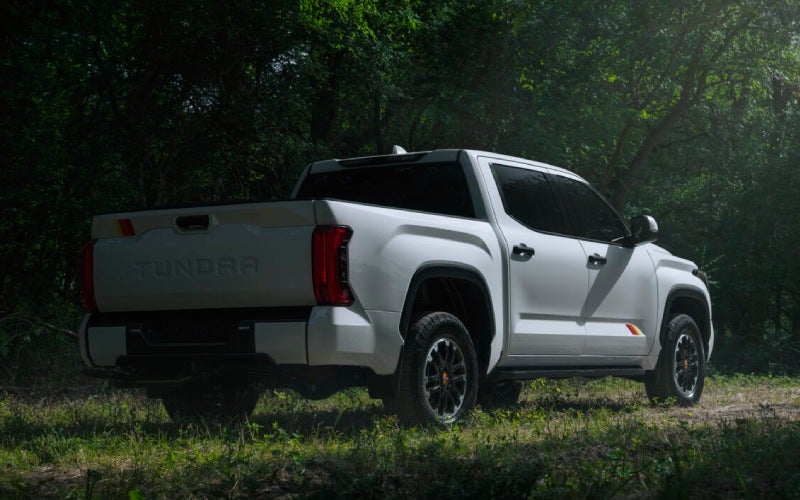
Pueblo Toyota - Is the 2026 Toyota Tundra a better fit than the Silverado 1500 for towing near Canon City, CO? For many truck shoppers near Canon City, CO, the first question is simple: which full-size pickup feels more confident when it is time to tow? The Chevrolet Silverado 1500 brings strong available trailering capability and a wide engine lineup, so it earns a place in the conversation. But for drivers who want towing strength paired with modern response, everyday comfort, and Toyota’s focused truck engineering, the Tundra makes a powerful argument. It is not just about one number on a spec sheet. It is about how the truck feels when accelerating with a trailer, backing into a tight space, managing visibility, and staying comfortable after a long day. Tundra’s biggest advantage for many shoppers is the available i-FORCE MAX twin-turbo V6 hybrid powertrain. With 437 horsepower and 583 lb.-ft. of torque, it delivers strong low-end response that helps the truck feel alert and composed when pulling a load. The standard i-FORCE twin-turbo V6 is also stout, producing 389 horsepower and 479 lb.-ft. of torque. Silverado 1500 offers several engines, including TurboMax™, V8 options, and the Duramax® 3.0L Turbo-Diesel, but Tundra’s hybrid powertrain gives Toyota buyers a distinctive blend of power and smoothness without requiring a diesel choice. For shoppers visiting Pueblo Toyota, that difference often becomes clearer during a test drive. What matters most when comparing towing confidence? Towing confidence is built from several pieces working together. Maximum rating matters, but so do torque delivery, suspension tuning, driver visibility, braking support, camera technology, and the way the cabin keeps important information within view. The Tundra can tow up to 12,000 lbs. when properly equipped, while the Silverado 1500 offers a higher maximum available trailering rating. However, many owners do not tow at the absolute maximum every day. Instead, they want a truck that feels steady with a camper, utility trailer, small equipment trailer, or boat, and that is where Tundra’s overall engineering balance becomes very appealing. Tundra’s Multi-Link Rear Suspension with coil springs is an important part of that feeling. It is designed to improve ride comfort, towing stability, and handling dynamics. On broken pavement, rural access roads, and winding routes that lead toward recreation areas, that composed ride can make a meaningful difference. A truck that feels more settled when empty and confident when loaded is easier to live with. Silverado 1500 remains a capable workhorse, but Tundra’s suspension design gives it a polished character that many drivers notice on the first drive. Why Tundra towing technology is easy to appreciate Backing a trailer can be one of the most stressful parts of towing, especially at storage lots, trailheads, campsites, or crowded loading areas. Tundra’s available Trailer Backup Guide With Straight Path Assist uses sensors and cameras to help keep a trailer in a straight line while reversing. That feature can be especially helpful for drivers who tow occasionally and want extra support when lining up a trailer. Silverado 1500 also offers advanced trailering technology and available camera views, but Toyota’s system is intuitive and well integrated with Tundra’s available display technology. The available Panoramic View Monitor is another major benefit. It uses cameras on the front, sides, and rear of the truck to help provide a 360-degree view of the area around the vehicle. When maneuvering a full-size pickup near a trailer, curb, hitch, post, or garage opening, that added perspective can reduce guesswork. Pair it with the available 14-In. Toyota Audio Multimedia touchscreen, and the camera image is large enough to use comfortably. The available 12.3-In. digital gauge cluster can also show towing functions and other key information, helping drivers stay aware without constantly searching through menus. Key Tundra advantages for towing-focused shoppers Hybrid power: The available i-FORCE MAX powertrain delivers 437 horsepower and 583 lb.-ft. of torque for strong acceleration and confident response. Ride control: The Multi-Link Rear Suspension with coil springs supports comfort, towing stability, and handling dynamics. Backing support: Available Trailer Backup Guide With Straight Path Assist helps make reversing with a trailer feel more manageable. Visibility: Available Panoramic View Monitor provides a helpful 360-degree view around the truck. Durability: The standard aluminum-reinforced composite bed resists dents, impacts, dings, and rust. These advantages matter because towing is rarely isolated from the rest of life. A truck may pull a trailer on Saturday, carry tools during the week, run errands after work, and take family or friends across southern Colorado. Tundra is built to move between those roles naturally. Its cabin feels refined enough for long highway stretches, while its bed and powertrains are ready for demanding tasks. For many shoppers, that complete-package feel is the reason Tundra rises above the Silverado 1500, even in a competitive segment. How does the cabin affect towing comfort? Cabin design matters more than some shoppers expect. When towing, a driver needs clear information, supportive seating, intuitive controls, and technology that does not distract. Tundra’s available 14-In. Toyota Audio Multimedia touchscreen is one of its strongest interior highlights, giving the driver a broad display for navigation, audio, and camera views. Available leather-trimmed seating, available premium audio, and upscale trim choices such as 1794 Edition and Capstone help Tundra feel comfortable enough for long drives while staying practical for truck use. Silverado 1500 also offers a spacious cabin with available advanced screens and connected features, but Tundra’s layout feels especially cohesive. The available 12.3-In. digital gauge cluster can bring safety, towing, navigation, audio, and off-road information into the driver’s line of sight. That can be valuable when traveling between job sites, heading toward the mountains, or navigating local routes while pulling a trailer. Shoppers serving Florence, Penrose, and Canon City often want a truck that is easy to use, not just powerful on paper, and Tundra delivers that everyday usability well. Frequently Asked Questions: Does the Tundra tow as much as the Silverado 1500? The Silverado 1500 offers a higher maximum available trailering rating, while Tundra can tow up to 12,000 lbs. when properly equipped. The better choice depends on how much weight you actually tow and how much you value Tundra’s hybrid power, suspension comfort, and available towing assistance features. Is the i-FORCE MAX hybrid powertrain good for towing? Yes. The available i-FORCE MAX twin-turbo V6 hybrid powertrain produces 437 horsepower and 583 lb.-ft. of torque, giving Tundra strong response for towing, merging, climbing, and passing. Its electric-motor assistance contributes to the confident feel that many drivers want when pulling a trailer. Which truck is better for everyday driving? For many shoppers, Tundra is the easier truck to enjoy daily because of its Multi-Link Rear Suspension, comfortable cabin, available large touchscreen, and standard composite bed. Silverado 1500 is capable, but Tundra feels especially well rounded for drivers who split time between towing, commuting, hauling, and family use. If your search is centered on maximum trailering above all else, Silverado 1500 deserves consideration. But if you want a truck that combines serious towing ability with hybrid power, smart trailering support, a durable composite bed, refined ride quality, and a cabin that feels ready for long days, Tundra is the stronger recommendation. It brings capability without feeling one-dimensional, and that is exactly what many Colorado truck owners need. Request more 2026 Toyota Tundra information